


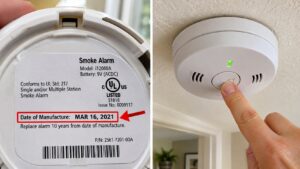
Smoke alarms and carbon monoxide alarms are critical life-safety equipment. They require periodic testing and eventual replacement according to the manufacturer’s instructions.
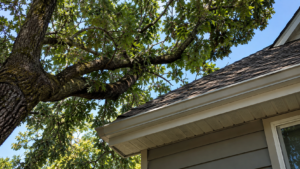
Branches grow. Storms weaken limbs. Wind moves them. What was safely several feet from the house a few years ago may eventually touch—or hang directly over—the roof. That’s why exterior observations are an important part of Home Watch.
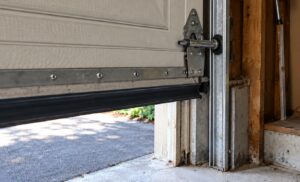
A residential garage-door system contains rollers, hinges, tracks, springs, cables, weather seals, an opener, and safety equipment. Normal operation puts these components through thousands of
cycles over time.
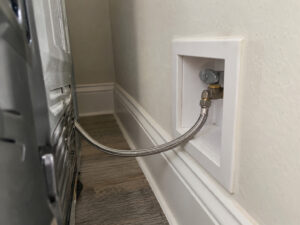
A small water line runs behind many refrigerators that most homeowners rarely see—and may never think about. Until it leaks.
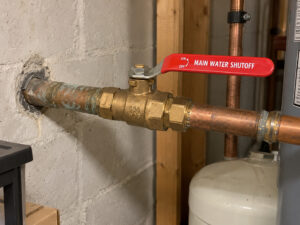
Most homeowners know they have water shut-off valves. Far fewer know whether those valves actually work. You’ll typically find individual shutoffs serving toilets, sinks, washing machines, and other fixtures, along with a main water shutoff controlling water entering the home.
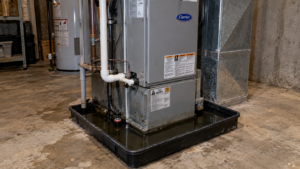
Air conditioners don’t just cool your home. They also remove moisture from the air. That moisture condenses on the cooling coil and typically drains safely through the HVAC condensate system. During humid weather in Northwest Indiana, an air-conditioning system may remove a substantial amount of moisture.

Your refrigerator runs 24 hours a day, 365 days a year. Yet many homeowners never think about maintaining it until it stops cooling.

Supply connections, shutoff valves, seals, and surrounding areas can develop leaks. Visible moisture around the base of a toilet, staining, corrosion, or any unusual condition warrants attention.
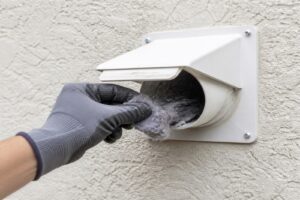
Clothes dryers expel a significant amount of warm, moist air. That air needs an unobstructed path through the lint screen, dryer duct, and exterior vent.

A tripped GFCI outlet is usually a minor inconvenience when you’re home. You notice something isn’t working, investigate, and—when appropriate—reset the outlet or determine why it tripped.