THE HOOSIER HOMEOWNER SERIES: The Little Things That Prevent Big Repairs
Could Your Sump Pump Save Your Home Tonight?
By Hoosier Home Watch Service
When homeowners think about protecting their homes, they often think about locks, alarm systems, and insurance. Yet one of the most important pieces of equipment protecting many Northwest Indiana homes quietly sits in a basement corner, often forgotten until the day it’s needed most.
Your sump pump.
For most of the year, a sump pump receives little attention. It may cycle occasionally during periods of heavy rain or snowmelt, but because it’s largely out of sight, it’s also out of mind. Unfortunately, when a sump pump fails, the consequences can be immediate and expensive.
Basement flooding doesn’t always begin with a dramatic storm. Sometimes it starts with a pump that has quietly failed weeks earlier, a float switch that has become stuck, a clogged discharge line, or a backup battery that no longer holds a charge. Homeowners often discover the problem only after returning from vacation or after walking downstairs to find water where it doesn’t belong.
Fortunately, checking a sump pump doesn’t require specialized tools or extensive mechanical knowledge.
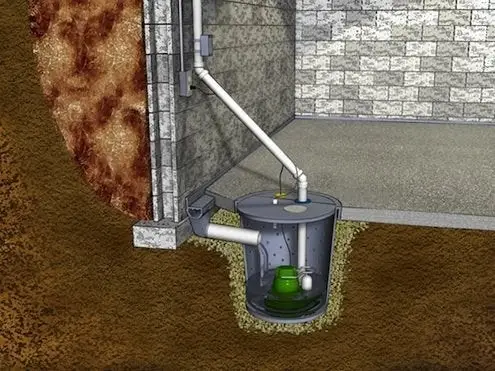
A simple operational test begins by slowly pouring a bucket of water into the sump pit. As the water level rises, the float should activate the pump automatically. The pump should remove the water efficiently and shut off once the pit has emptied. While it’s operating, listen for grinding noises, excessive vibration, or any unusual sounds that may indicate wear.
If your system includes a battery backup, don’t assume it’s ready simply because it’s installed. Backup batteries have a limited service life and should be inspected periodically. During severe weather, power outages often occur at exactly the same time groundwater levels are rising. A properly functioning backup system can continue protecting your home when the primary pump cannot.
It’s also worth stepping outside while the pump is running to verify that water is discharging properly. A blocked or frozen discharge line can prevent water from leaving the property, causing it to cycle back toward the foundation.
At Hoosier Home Watch Service, we encourage homeowners to think of their sump pump the same way they think about smoke detectors. You hope you’ll never need it to perform under emergency conditions—but when that moment comes, it must work without hesitation.
A few minutes of preventive maintenance today can provide peace of mind during the next heavy rain, whether you’re relaxing at home or traveling hundreds of miles away.
Homeowner Tip
Test your sump pump before the forecast calls for heavy rain—not during the storm.
While you’re testing it: ✔ Verify the float moves freely. ✔ Listen for unusual noises. ✔ Check that water is discharged away from the foundation. ✔ Inspect the backup battery (if equipped). ✔ Clear debris from around the sump pit.
Five minutes today may prevent thousands of dollars in repairs tomorrow.
Many homeowners either don’t have the time or simply prefer not to perform routine maintenance tasks themselves.
As part of our Concierge Services, Hoosier Home Watch Service can perform a basic operational check of your sump pump during scheduled visits or before an extended trip. While we’re not pump repair technicians, we can identify obvious concerns, document our observations with photographs, and promptly notify you if professional service appears necessary.
Our goal is simple: identify potential issues before they become expensive surprises.
Just as a zebra stands out in a herd of horses, Hoosier Home Watch Service provides a distinctive level of personalized home care. We go beyond basic home checks to offer proactive solutions, ensuring your home is well-maintained and reducing potential problems before they escalate into disasters. Call 239-910-0767or visit www.hoosierhomewatchservice.com
Disclaimer: This article is for informational purposes only and should not be considered professional advice. Always consult with qualified professionals for specific safety and maintenance recommendations.